


This is Camellia.
Teahouse Franchise
Master Project

Here you'll find:
Interior Architecture
Graphic Design
UX | UI | AI
Camellia is a conceptual teahouse franchise I created during my Master’s thesis. I’ve always had a personal connection to tea, and this project was my way of exploring how something so traditional could find its place in today’s digital world. I wanted to merge the calm and ritual of tea with interactive, modern experiences — not by replacing tradition, but by making it feel more approachable for a younger generation.


Combining old traditions with new tools
With the Visual Identity I wanted the branding to feel clean and familiar but still carry some warmth. It’s a mix of traditional references and modern, minimal design — something that works just as well on a teacup as it does on a screen. I focused on making things clear and easy to understand at a glance.

Inspired by a quiet moment
It’s that short pause before you take your first sip — when you hold the cup close, feel the steam, and test the temperature. I tried to translate that moment of stillness into a visual shape.

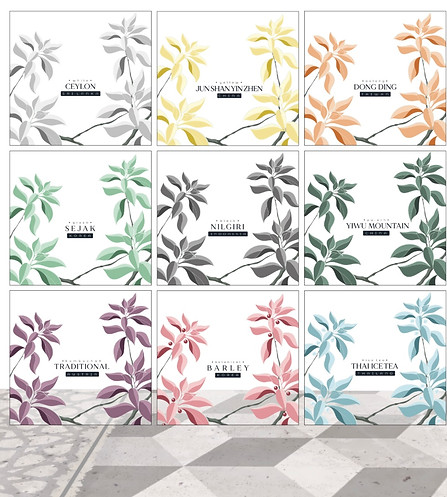
Generating Color palettes with AI
Instead of picking manually, I used AI tools to generate color palettes that suited each type of tea. This made it easy to visually separate the different teas and gave each one a bit of its own personality.
.jpeg)
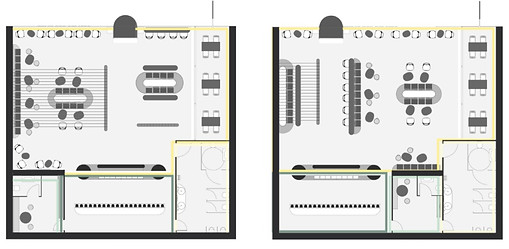
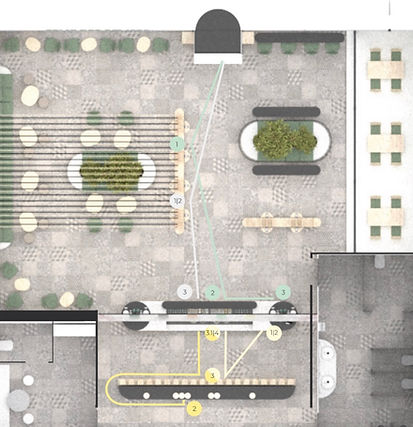
Interior Design that adapts to different locations
Each teahouse is designed around a flexible layout that can adapt to different spaces but still feel familiar. There are dedicated zones, movable elements, and a clear spatial rhythm that supports the experience — from ordering to sitting down to explore.
.jpeg)
A new tea culture every month
I liked the idea that the space would evolve regularly. Using projectors and digital displays, the visuals, sounds, and overall mood can shift to reflect a different tea culture — from matcha in Japan to chai in India — without needing to rebuild the space.
.jpeg)

UX decisions were shaped by feedback
I wanted the whole experience to feel easy and approachable — especially for a younger audience who might not be familiar with traditional tea rituals. To understand how intuitive my design really was, I brought different types of tea to university and had students explore the setup. While they tasted the teas, I observed how they interacted with the space and collected feedback on the flow and usability. Based on their input, I kept refining both the layout and the digital touchpoints to make everything feel as smooth and relaxed as possible.
Interfaces respond to the theme
Menus, apps, and screens update automatically across all locations, keeping everything in sync. Even the teahouse façade changes with interactive screens, so passersby can see what’s happening or explore what’s being served.

.jpeg)
.jpeg)
.jpeg)
.jpeg)
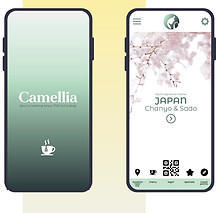
The app offers more than just ordering
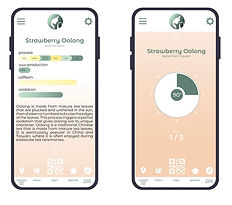
It includes detailed info on brewing, tea origins, and even small extras like a built-in timer or refill reminder. For each monthly theme, I imagined working with travelers or content creators who share insights and stories from tea cultures around the world.
AI tools helped explore ideas quickly
I used tools like ChatGPT, Photoshop Beta, and Stable Diffusion — all officially allowed by my university — to explore ideas, test layouts, generate visual inspiration, and shape a communication style that felt playful but still grounded.
